
It’s a patient’s right to view his or her medical records, receive copies of them and obtain a summary of the care he or she received. the process for doing so is straightforward. when you use the following guidelines, you can learn how to. and digital signatures with increasing adoption of electronic medical records and cloud-based is ultimately responsible for enforcement of hipaa and what types of penalties are levied when a covered
Hipaa Regulations At A Glance
The health insurance portability and accountability what is hipaa regulations for medical records act of 1996 (hipaa) is a federal law that required the creation of national standards to protect sensitive patient health information from being disclosed without the patient’s consent or knowledge. Hipaa is a federal law which requires your medical records to be retained for 6 years at a federal level. most states also have their own medical retention laws which can be more stringent than hipaa stipulates. look at the table below to see a state by state medical retention breakdown of laws. release of
The add new screen allows you to enter a new listing into your personal medical events record. an official website of the united states government the. gov means it’s official. federal government websites always use a. gov or. mil domain. b. Whether you're a patient or a provider, it's important to understand the ways that hipaa policies and procedures impact the health care industry in the united states. hipaa guidelines can provide patients with confidence in their privacy. g. Hipaa subpoena for medical records: conditions that must be met if you receive a subpoena for medical records, the first step is to check the validity of the subpoena. if the subpoena is not valid, a response is not required. seek legal advice on whether the subpoena is valid. Hipaarequirements. in 1996, congress passed the health insurance portability and accountability act (hipaa), which among other things offers protection for personal health information, including electronic medicalrecords. hipaarequirements and security rules give patients more control over their health information, set limits on the use and release of their medical records, and establishes a.
What Is A Hipaa Medical Release Form
Hipaa isn't anything new, what is hipaa regulations for medical records but that doesn't mean it's not confusing. if you're unsure what it is, you aren't alone. if you've been to the doctor in the last few decades, you've encountered hipaa compliance forms. however, what is the hipaa l. Covid-19 is an emerging, rapidly evolving situation. what people with cancer should know: www. cancer. gov/coronavirus guidance for cancer researchers: www. cancer. gov/coronavirus-researchers get the latest public health inform. In 1996, congress passed the health insurance portability and accountability act (hipaa), which among other things offers protection for personal health information, including electronic medical records. hipaa requirements and security rules give patients more control over their health information, set limits on the use and release of their medical records, and establishes a series of privacy standards for health care providers which provides penalties for those who do not follow these. The health insurance portability and accountability act of 1996 (hipaa) is a federal law that required the creation of national standards to protect sensitive patient health information from being disclosed without the patient’s consent or knowledge. the us department of health and human services (hhs) issued the hipaa privacy rule to implement the requirements of hipaa.
Clarifying The Hipaa Retention Requirements
Your Rights Under Hipaa Hhs Gov
Hhs hipaa home for professionals faq 580-does hipaa require covered entities to keep patients’ medical records for any period of time no, the hipaa privacy rule does not include medical record retention requirements. rather, state laws. The hipaa guidelines for medical records do not exclusively apply to medical records that are created, stored or transmitted electronically. all medical records are subject to the hipaa privacy rule and the same considerations should be given to maintaining the integrity of paper medical records and preventing the unauthorized disclosure of phi. A number of major updates to hipaa were expected in 2020. these included improvements to how hipaa violations are enforced, an updated penalty structure for violations, and new legislation aimed at tackling the opioid abuse epidemic currently plaguing america (notably, aligning hipaa with the 42 cfr part 2 regulations that protect sud records).

Tt has been several years since new hipaa regulations have been introduced but that is likely to change very soon. the last update to the hipaa rules was the hipaa omnibus rule changes in 2013, which introduced new requirements mandated by the health information technology for economic and clinical health (hitech) act. Although the hipaa guidelines for medical records maintained on paper are not as comprehensive as those for electronically-maintained medical records, many of the same standards still apply. covered entities and business associates should implement a process for logging records and tracking their location while in transit.
580does Hipaa Require Covered Entities To Keep Patients Medical Records For Any Period Of Time Hhs Gov
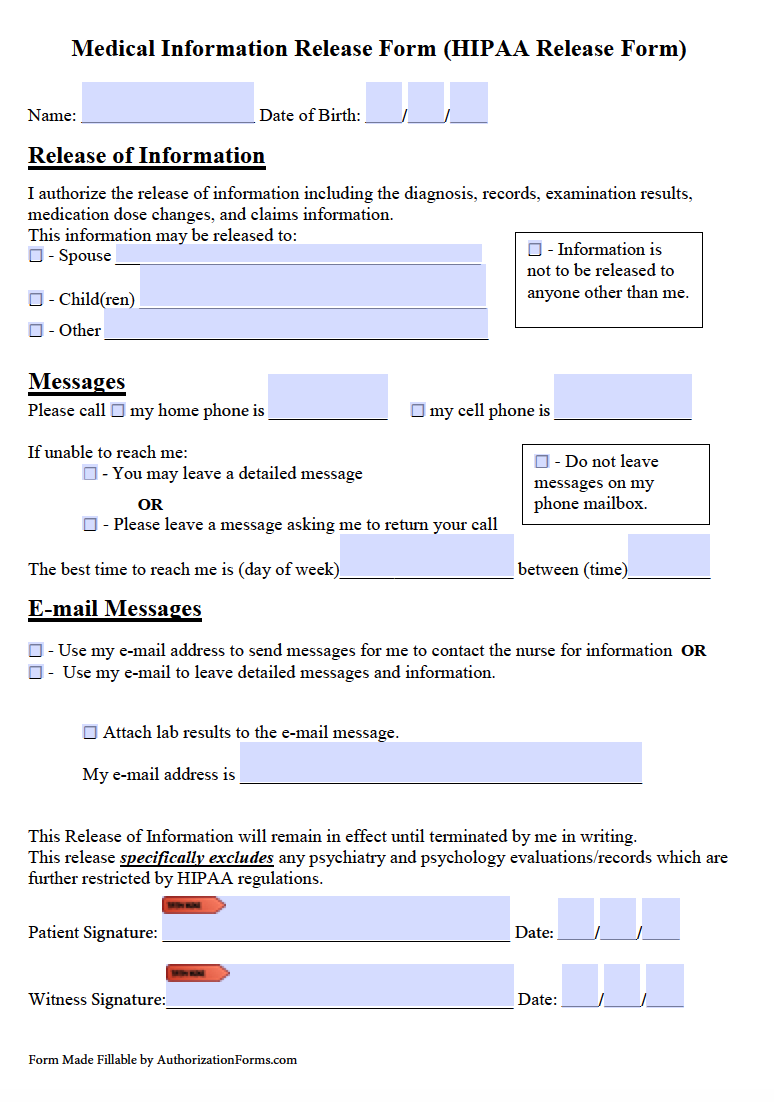
Hipaa gives you important rights to access your medical record and to keep your information private. charges. a provider cannot deny you a copy of your records because you have not paid for the services you have received. however, a provider may charge for the reasonable costs for copying and mailing the records. A hipaa subpoena for medical records is an area where there is considerable potential for a hipaa violation. when healthcare organizations receive a subpoena for medical records, how should they respond? subpoenas are often used by attorneys to gain access to information critical to a legal case or to compel an individual to testify. of public record social security numbers and any hipaa-protected data are redacted by applying for and retaining an oklahoma medical license, you are giving consent to share your information with anyone requesting it and waiving your right to be notified when your data is requested we are also required to retain licensee records for a minimum of 10 years after the
Hipaa is a medical privacy law, but people often misunderstand what it does and doesn’t do. margaret riley is a law professor at the university of virginia who specializes what is hipaa regulations for medical records in health law. Create a high quality document online now! the medical record information release (hipaa), also known as the ‘health insurance portability and accountability act’, is included in each person’s medical file. this document allows a patient to. We call the entities that must follow the hipaa regulations "covered entities. " covered entities include: health plans including health insurance companies, hmos, company health plans, and certain government programs that pay for health care, such as medicare and medicaid.
Although there are no hipaa retention requirements for medical records, there is a requirement covering how long hipaa-related documents should be retained. this is covered in cfr §164. 316(b)(1) and (2), which states covered entities must maintain the policies and procedures implemented to comply [with hipaa] and records of any action. In general, state laws that are contrary to the hipaa regulations are preempted by the federal requirements, which means that the federal requirements will apply. 32 “contrary” means that it would be impossible for a covered entity to comply with both the state and federal requirements, or that the provision of state law is an obstacle to. The regulations under the health insurance portability and accountability act of 1996 (hipaa), which protect the privacy and security of individuals’ identifiable health information and establish an array of individual rights with respect to health information, have always recognized the importance of providing individuals with the ability to access and obtain a copy of their health information.
State laws typically permit providers to charge a per-page copy fee, of up to a certain dollar value, or to charge a flat fee of up to a certain amount for the entire medical record. many covered entities simply charge the maximum amount that state law allows for medical record copies.
See 45 cfr 164. 524. designated what is hipaa regulations for medical records record sets include medical records, billing records, payment and claims records, health plan enrollment records, case management records, as well as other records used, in whole or in part, by or for a covered entity to make decisions about individuals. see 45 cfr 164. 501. They must abide by hipaa laws to protect both their organization and their patients. let’s look at how hipaa affects your handling of protected health information. hipaa and your organization. hipaa applies to all organizations, individuals, and agencies that match the description of a covered entity.
